
Decorative metal panels are known for their ability to bring together visual appeal, durability, and functionality to satisfy the growing needs of modern architecture and interiors. They offer a wide range of solutions in terms of controlling light, airflow, and privacy in addition to enhancing a building's design, these features are valid for stylish partitions and facades with distinctiveness.
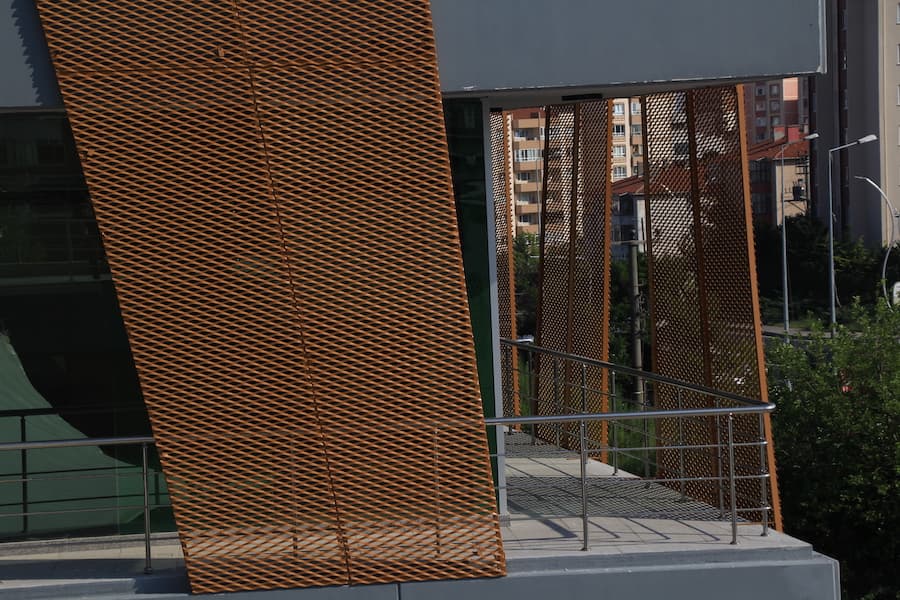
Decorative metal panels can change the ordinary surfaces into attractive architectural features at the same time they can offer practical benefits.
A well-designed decorative metal screen design sorts out spaces and maintains openness in areas to help control visibility, daylight, and the ventilation airflow this is provided in standards or customized panels.
A well-crafted architectural metal panel design ensure that it complements the building's overall aesthetic by providing diversity in Geometric patterns, organic motifs, moreover they can provide those designs in textured surfaces in order to add depth and character to the buildings.
The selection of the right panel leans heavily on the desired appearance, performance, and application wanted to be achieved
Since expanded metal is prominent to feature a three-dimensional mesh structure, it is highly suitable for screening, ventilation, and expanded metal facade design.
To manage light, airflow, and privacy perforated metal can be provided in regular or custom opening finishes so a tailored perforated metal panel design will greatly suit facades, ceilings, and partitions without doubts.
Laser cutting is another solution that can create patterns with preciseness, logos, and intricate shapes with accuracy this makes them ideal for a distinctive decorative metal panel design.
Before selecting panels, We can consider:
All the aforementioned factors ensure that decorative metal panels for interior design and exterior applications will greatly meet requirements of the project at the aesthetic and technical level.
Decorative metal panels for exterior applications are known to enhance facades, in terms of providing screening and aid in sunlight controlling. Expanded, perforated, and laser-cut options offer different kinds of shading, ventilation, and visual appeal in combination.
Those can be used in many areas such as offices, hotels, and retail spaces, those panels will attractively create partitions, suspended ceilings, feature walls, and reception backdrops in great appearances additionally they can add texture and visual interest to the finishes.
Panels can also be used for balustrades, stair screens, entrances, and protective enclosures. In this sense, designs have to be carefully customized in order to meet the relevant safety and structural requirements of the intended uses.
ANB Metal offers expanded and perforated metal solutions for architectural applications with extensive experience for more than 40 years, it helps customers select panels that mostly suit the projects in terms of design flexibility, durability, and practical performance.
Expanded and perforated metal panels both offer dimensional texture and provide controlled openings, and laser-cut panels allow intricate patterns.
Yes. Patterns, dimensions, materials, thicknesses, open areas, and finishes can be customized into many designs and variations.
Expanded metal has a stretched, three-dimensional mesh structure whereas perforated metal has punched openings which are arranged in regular or custom patterns.
The main information is about the application purpose, dimensions, material, thickness, preferred pattern, finish, quantity, and installation requirements. Drawings or reference images are also helpful to help manufacturer understand your needs exactly.