
In recent architecture, the facade in construction offers more than just an exterior face of a building, it serves as a structural protector, and performance-enhancing line, Moreover , it gives the visual identity if a building, as a result, we can say that it defines the building behavior and how it is seen by others, so understanding façade role in today's construction world is something necessary and an avoidable this can enable designers, engineers, and developers to create more efficient, durable, and eye-catching structures for their customers.
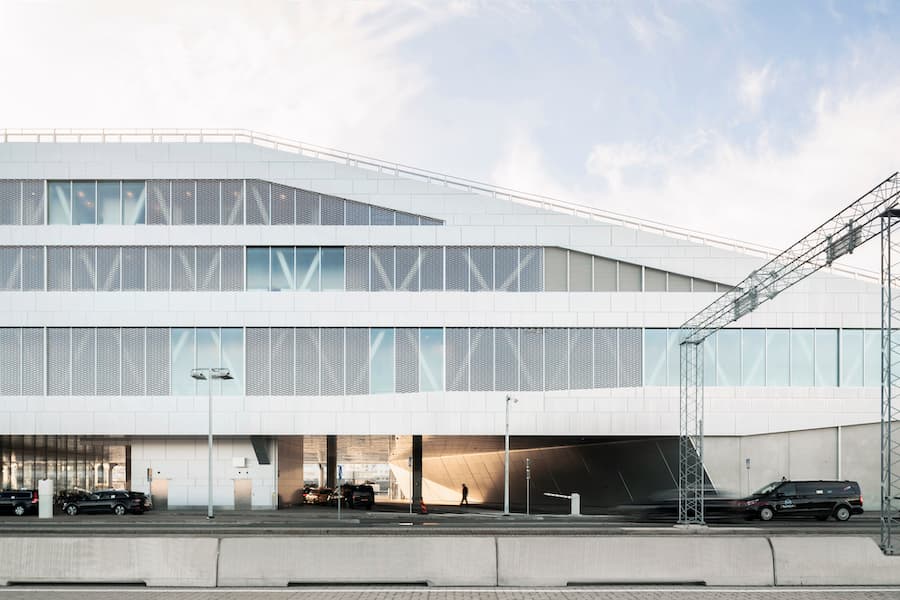
A facade is defined as the outer skin of a building. Its design aims to protect the structure of the building and provide aesthetic and functional value. When the question of what façade is comes, it refers to the whole outer layer that includes different materials such as glass, concrete, and expanded or perforated metal mesh patterns. Modern facades provide suitable designs with maximum technical performance to provide utmost safety and to meet the requirements of insulation and sustainability.
Depending on many architectural goals like budget, climate harshness, and performance expectations, different building facade types are selected. They vary in types and purposes, for example, there are ventilated facades, double-skinned facades, glazing façade systems, and moreover metal facade systems. Each of which can offer featured benefits in terms of aesthetics, durability, energy management, and cost-effectiveness
Metal has occupied the top of the façade systems as a preferred choice in contemporary cladding. This is attributed to its versatility and unique appearance. Metal facade systems are characterized by being lightweight and solid; additionally, they can be easily shaped and customized into many different forms. They also go well with other materials in the building; as a result, they are ideal and suitable for most modern facade designs in all kinds of commercial, residential, and industrial applications.
Aluminum facade panels are considered one of the most preferred metal materials due to their high level of corrosion resistance, strong flexibility, and low maintenance. They are highly smooth, sleek in appearance, and moreover, they align perfectly with today's trend of achieving clean, minimalistic lines.
Steel facade cladding is still at the top of choices for projects that require robustness and resilience, as it offers rigidity with enhancement and performance with long-lasting functionality. It is repeatedly utilized in industrial facade systems to deliver the modern appeal and the strength of protection that the projects seek.
To create distinctive patterns In facade designs, Designers usually combine decorative metal cladding with facades texture this enhances the architectural identity of the building and enable customized exterior solutions, it is achieved by pairing architectural metal panels which contribute to better performance and energy efficiency, as energy-efficient facades they can regulate heat level and improve the natural day lighting, as a result they reduce reliance on other cooling and heating systems.
Besides design and efficiency, durability and maintenance are one of the most important issues in the engineering facades. Proper planning for facade maintenance and durability can surely guarantee that the protective layer withstands harsh weather conditions with ease. Additionally, they can also resist corrosion and other possible environmental stress
Metal-based systems come in many different materials, such as aluminum facade panels, steel facade cladding, and decorative metal cladding. They all provide longevity and ensure low maintenance costs in the long run. Their role is to support modern facade design and enable architects to create and deliver high-performing building layers with innovativeness, sustainability to meet functional goals and aesthetic properties.