
The right selection of steel grating is vital for any project as it can ensure the long-term performance, safety and durability of it, the right metal grating enhance efficiency and considerably maintains costs overtime, this is valid for all applications such as drainage, platforms, walkways and access systems, So figuring out your project requirements comes first in the process when choosing reliable grating solutions for demanding or harsh environments.
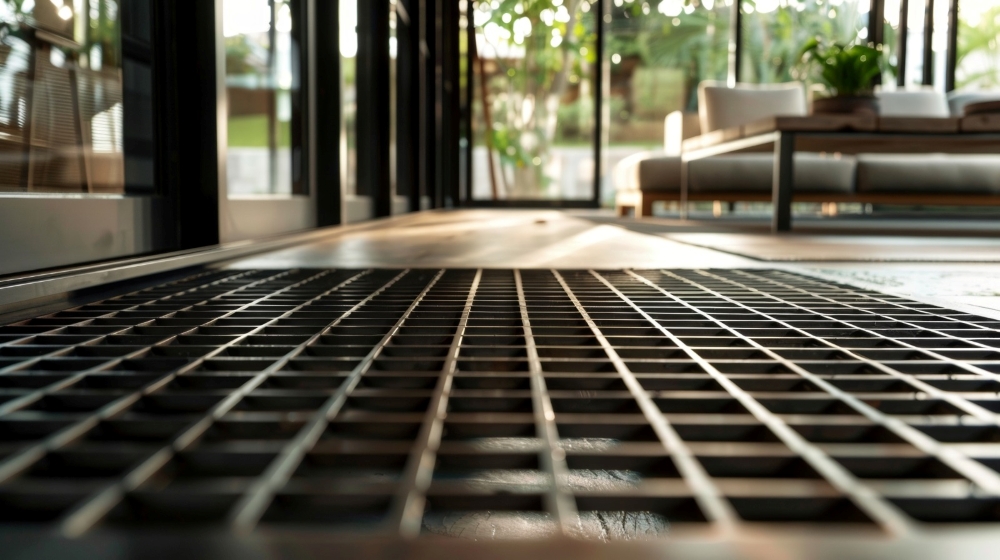
The correct grating systems must be one of the most robust materials to ensure sufficient load capacity, slip resistance, drainage, and adequate ventilation as every project might show unique requirements in its landscape, in addition to this it must meet safety standards without any compromise, so suitable steel grating selection offers the utmost required performance and extends the life service of industrial installations.
Selection of materials can have a direct impact on durability and performance.
Deciding on the right industrial grating material provide reliability in performance under many other different or demanding operating conditions.
In selecting the proper metal grating, many factors come in between such as environmental conditions, for instance outdoor installations require galvanized steel grating or corrosion-resistant materials to fit the final goal of application, Moreover, facilities that are exposed to chemicals, moisture, or extreme temperatures require stainless steel in different grades. In conclusion understanding the surrounding environment plays a significant role in determining the durability of grating systems with ensuring minimal maintenance.
Ignoring Environmental Factor: picking materials without taking into consideration many related factors such as corrosion, humidity, or temperature variations this can affect and reduce the lifespan of industrial grating.
Choosing Based Only on Cost: Lower-cost doesn’t always guarantee quality poor products can lead to higher maintenance expenses in the long-term. So it is advisable to invest in high quality grating solutions to ensure provision of better long-term value.
Underestimating Load Requirements: this is a vital one, inappropriate steel grating selection can lead to a compromise in safety resulting in serious damage, to avoid this always evaluate expected loads before considering any grating system.
Ignoring Maintenance Needs: Easy-to-maintain metal grating is your final best choice as it reduces downtime and lowers operating costs overtime this is done throughout the entire product's life cycle overtime.
ANB Metal manufactures high-quality steel grating, galvanized steel grating with strict standards giving no room for compromising quality and features, it also provides custom grating solutions to meet the goals of industrial and architectural projects. Our experienced team helps in selecting the most suitable grating systems based on many factors such as load requirements, environmental conditions, and project specifications the final result is having trusted solutions for a wide variety of grating applications.
Choosing the right steel grating is a paramount step for achieving high safety, durable, and effective installations. By selecting and evaluating material type, environmental surrounding conditions, load requirements capabilities, and maintenance needs, you can decide on the most suitable metal grating to meticulously fit into your project. ANB Metal ensures delivering dependable industrial grating, customized grating solutions, and high-performance grating systems manufactured to meet any needs of modern industrial and architectural grating applications.