
Today, metal sunshade systems and enhanced architectural sunshade materials are used everywhere to improve modern buildings in terms of function and design. This leads us to the fact that selecting the right materials is of paramount issue for ensuring high-performing sunshade systems, Moreover effective metal selection in sunshade systems can provide efficiency of energy, durability, and a strong impact on appearance
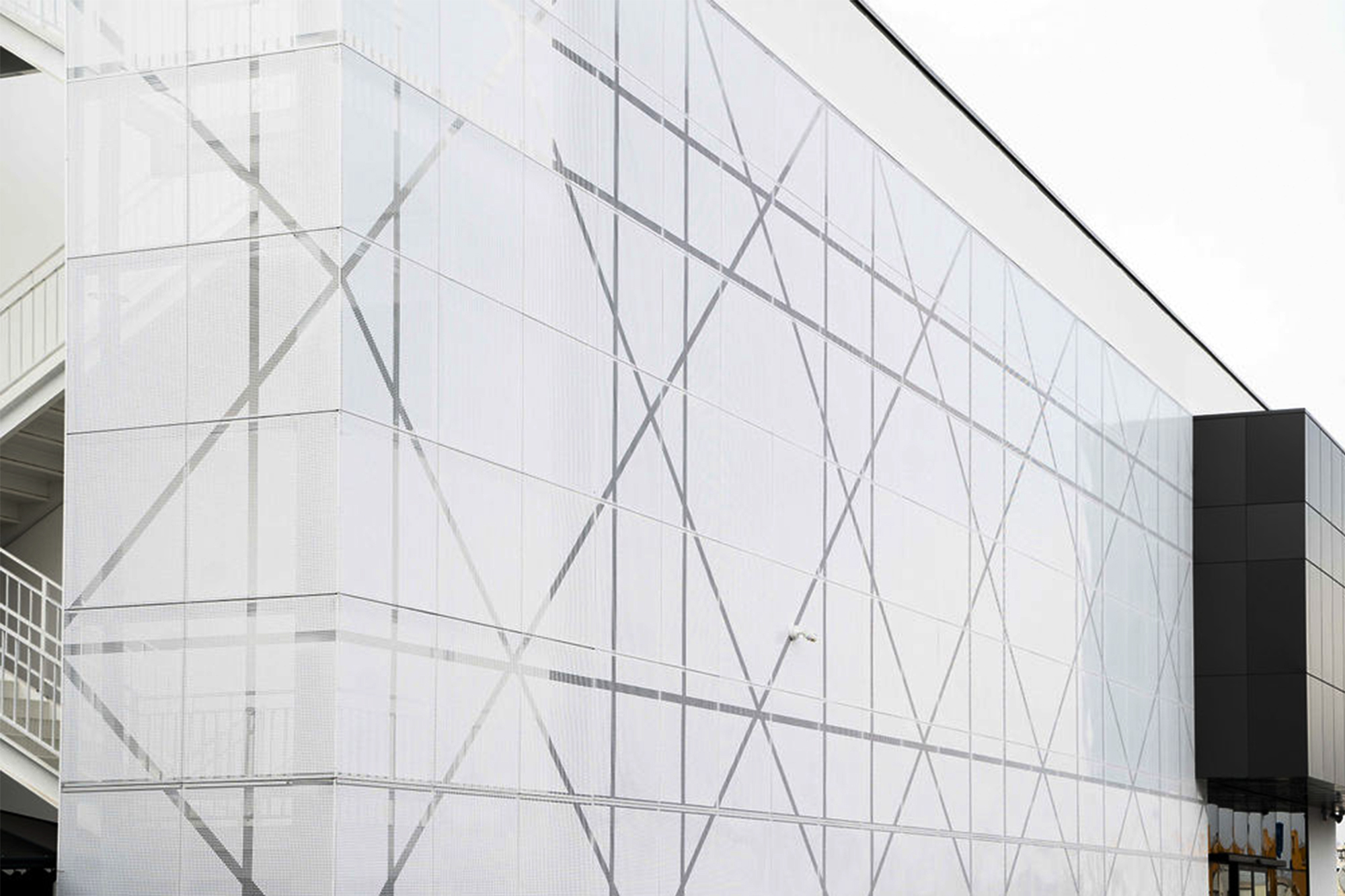
● Energy Efficiency: Sunshade systems that enjoy well-designed structures decrease the gain of heat and enhance the comfort of indoor, for example, aluminum sunshade systems and perforated metal sunshades permit light and airflow with control
● Structural Durability: Sunshade materials with High-quality provide resistance to corrosion, UV exposure, and harsh weather conditions, those features can extend the life of metal sunshade systems for many years without depreciation
● Aesthetic Impact: nowadays, perforated metal sunshades and customized architectural sunshade materials offer a bundle of benefits to modern facades like texture, depth, and identity.
● Long-Term Cost: there are many Durable materials in this field like aluminum sunshade systems, those can make a reduction in maintenance and replacement costs over time.
Most common sunshade materials include aluminum, steel, and stainless steel. The most preferred ones are aluminum sunshade systems due to lightweight performance and durability, and since steel can provide solidity for larger structures. Perforated metal sunshades comes next as they are also used to guarantee shading and decorative goals in metal sunshade systems.
● Climate Conditions (UV, Humidity, and Wind): material performance is highly affected by constant environmental exposure which makes the ideal metal selection in sunshade systems important
● Building Orientation: Sun exposure can vary depending on the direction of buildings this can detract from the effectiveness of sunshade systems by time.
● Load Requirements: Structural solidity is paramount when it comes to designing safe and efficient metal sunshade systems, ultimately it is not discussable
● Maintenance Expectations: the more low-maintenance architectural sunshade materials the more they help reduce operational costs in the long-term
● Budget: To ensure a balance between cost and performance we should select the right sunshade materials as every project require different criteria
In conclusion Sunshade design must consider orientation, loads, and structural integration for optimal results and performance
● Pattern Selection: Sometimes versatility in design options and shading control are prioritized and hence this versatility is highly achieved when selecting perforated metal sunshades
● Color & Coating (Powder Coating, Anodizing): Finishes are applied to the surfaces of the metal this procedure offer enhancement durability and appearance, mainly in aluminum sunshade systems.
● Integration with Facade: metal sunshade systems with well designing features we can provide building exteriors with many variations and options
ANB Metal provides reliable metal sunshade systems with advanced architectural sunshade materials. Their solutions are varied they range from custom aluminum sunshade systems and high-performance perforated metal sunshades those ones ensures that durability, efficiency and modern design are perfectly met.
Conclusion
Right metal selection in sunshade systems is significant as it greatly affects the achievement of durable, efficient, and visually appealing results for all projects, when selecting the right sunshade materials, architects definitely can be able to create metal sunshade systems that enjoy high-performing to improve and enhance design and comfort.